Aanch Mani – Panch Patra: A Sacred Companion for Everyday Pooja and Vedic Rituals
In Indian spiritual traditions, every element used during pooja has a purpose. From the diya that represents divine light to the flowers offered with devotion, each item helps create an atmosphere of purity, mindfulness, and reverence. Among these traditional pooja essentials, the
Panch Patra holds a special place.
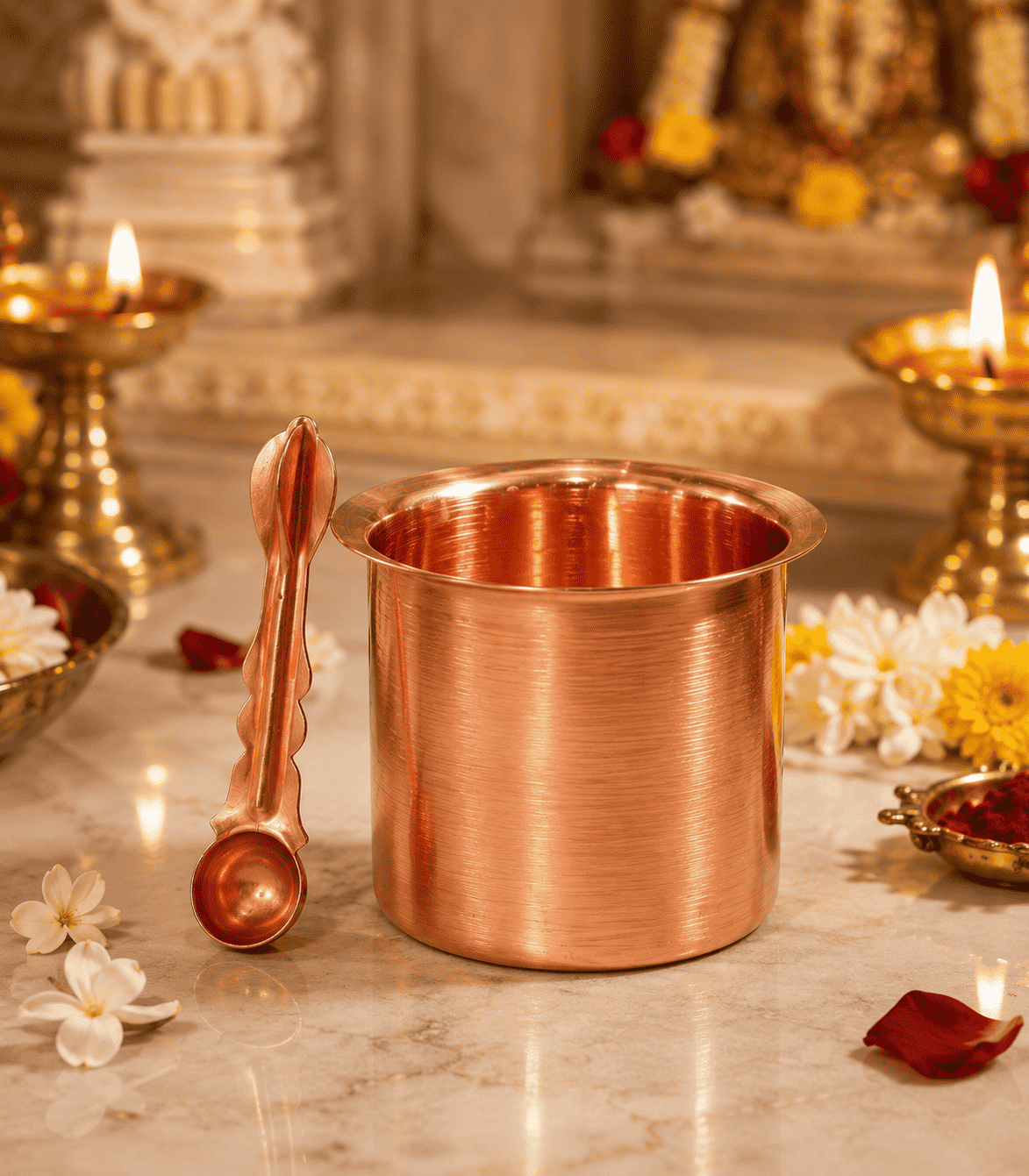
The Aanch Mani – Panch Patra is a thoughtfully designed pooja accessory intended for use during daily worship, prayers, rituals, and other sacred ceremonies. Featuring a traditional vessel accompanied by a matching spoon, it is suitable for keeping and offering water during pooja. Its classic appearance blends naturally with a traditional mandir setup while also fitting beautifully into a contemporary home.
Whether you perform daily morning prayers, observe special religious occasions, conduct havan and puja ceremonies, or simply want to maintain a dedicated set of spiritual accessories at home, a Panch Patra can become an important part of your pooja arrangement.
This blog explores the significance of Panch Patra, how it is traditionally used, why having a dedicated vessel for pooja is meaningful, and how
Aanch Mani – Panch Patra can become a valuable addition to your spiritual space.
What Is a Panch Patra?
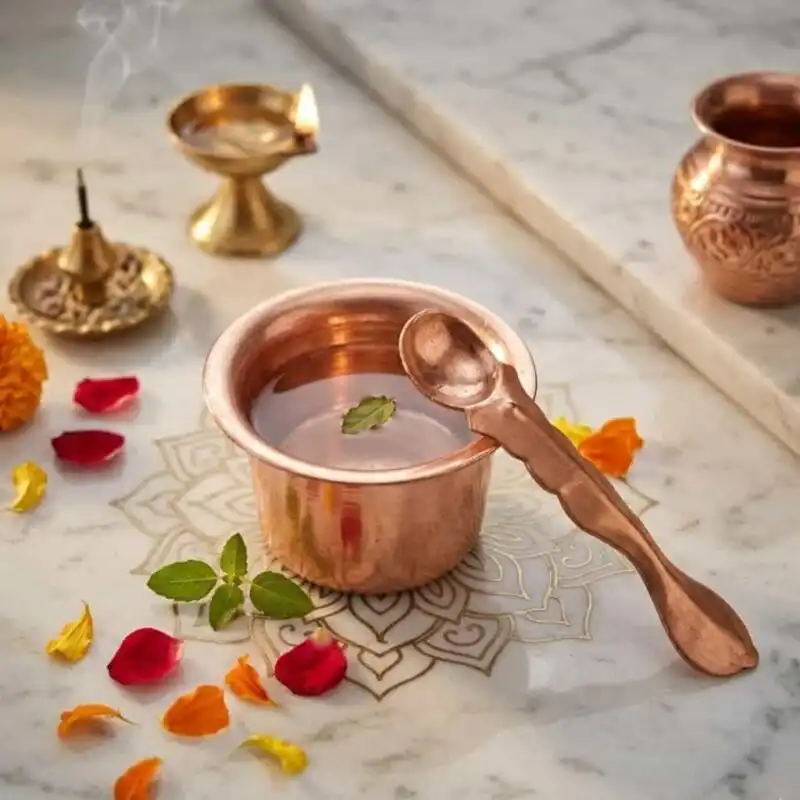
The term Panch Patra literally refers to a traditional vessel used in Hindu worship. It is commonly used to hold water during religious rituals. The water kept in the vessel may be used for various ceremonial purposes, depending on the tradition, ritual, or form of worship being followed.
A Panch Patra is generally accompanied by a small spoon, often called an uddharini or similar regional names. The spoon allows devotees to take a small quantity of water from the vessel and use it during different stages of the pooja without directly touching the water.
This simple combination of vessel and spoon has been part of traditional worship practices for generations.
The Aanch Mani – Panch Patra follows this familiar concept, providing a dedicated vessel and spoon for your pooja rituals. Its traditional design makes it easy to incorporate into a home temple, pooja thali, or larger ceremonial arrangement.
The exact use of a Panch Patra can differ according to family traditions, regional practices, sampradaya, and the type of pooja being performed. Therefore, devotees should follow the procedure traditionally taught by their family priest, guru, or religious tradition.
In general, a Panch Patra may be used to keep water that is required during different stages of worship.
For example, water may be used during:
1. Achaman
Achaman is a traditional purification practice involving water. Depending on the tradition being followed, a small quantity of water may be taken using the spoon.
2. Sankalp
Water is commonly associated with sankalp, the ceremonial declaration of one’s intention to perform a particular prayer, pooja, vrata, or religious activity.
3. Purification
Water can be used during various purification steps performed before or during worship.
4. Deity Worship
Depending on the particular ritual, water may be involved in offerings or ceremonial procedures associated with worship of the deity.
5. Special Poojas and Ceremonies
During festivals, havan, housewarming ceremonies, religious observances, and other auspicious occasions, a Panch Patra may form part of the larger ritual arrangement.
The important point is that the exact procedure should always be followed according to the specific pooja tradition.
How Is a Panch Patra Traditionally Used?
For example, water may be used during:
1. Achaman
Achaman is a traditional purification practice involving water. Depending on the tradition being followed, a small quantity of water may be taken using the spoon.
2. Sankalp
Water is commonly associated with sankalp, the ceremonial declaration of one’s intention to perform a particular prayer, pooja, vrata, or religious activity.
3. Purification
Water can be used during various purification steps performed before or during worship.
4. Deity Worship
Depending on the particular ritual, water may be involved in offerings or ceremonial procedures associated with worship of the deity.
5. Special Poojas and Ceremonies
During festivals, havan, housewarming ceremonies, religious observances, and other auspicious occasions, a Panch Patra may form part of the larger ritual arrangement.
The important point is that the exact procedure should always be followed according to the specific pooja tradition.
Frequently Asked Questions

Reviews
Clear filtersThere are no reviews yet.